Small Injection, Big Protection! A Guide To Pet Vaccinations
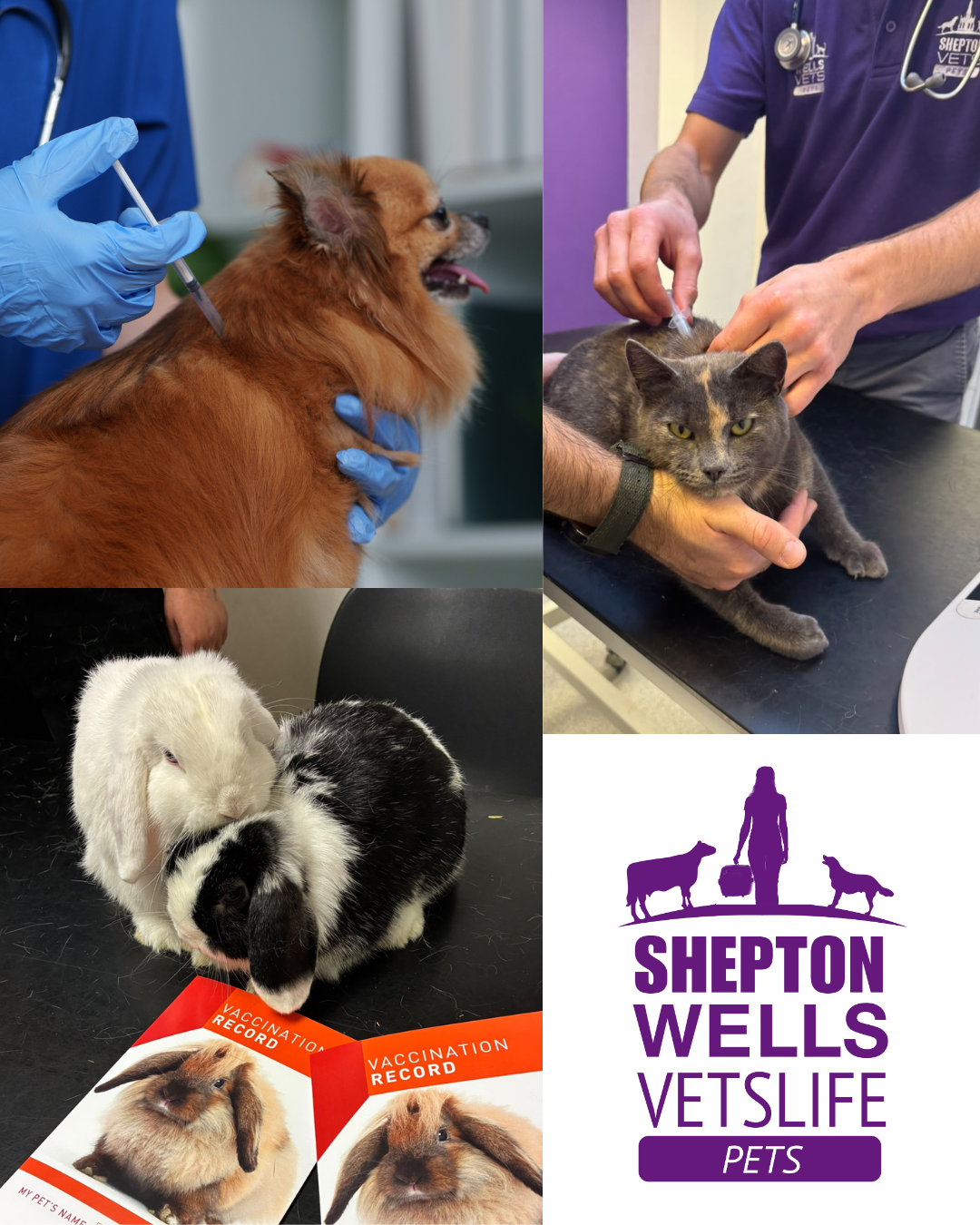
Vaccinations are one of the most common reasons for a consultation at the veterinary practice, but what exactly do we vaccinate our pets against, and why are vaccinations so important?
What is a vaccination?
Vaccination involves administering a preparation that helps the immune system recognise and fight a particular infectious disease. Vaccines may contain killed or weakened pathogens, parts of a pathogen, or genetic instructions that help the body recognise it. They stimulate the immune system to build protection without causing the disease itself in the usual way.
Vaccinations help protect our beloved pets, as well as other animals around them, against serious infectious diseases. Some of these diseases can cause severe illness or even death.
Keeping your pet’s vaccinations up to date is one of the most important ways to protect their health throughout their life.
When should we vaccinate our pets?
For puppies and kittens, the first vaccination is generally recommended from around 8–9 weeks of age, although the timing depends on the vaccine used and your pet’s individual circumstances.
Young animals receive antibodies from their mother’s first milk, which provide some early protection. However, these maternal antibodies gradually decline and can sometimes interfere with a vaccine’s effectiveness. This is why a course of vaccinations is needed to help build reliable protection.
Your veterinary team will advise you on the appropriate vaccination schedule for your pet, including when their initial course should be completed and when future boosters are due.
If you join our Healthy Pets Club (HPC), you can enjoy a range of benefits, including vaccinations! To find out more, simply scan the QR code at reception or speak to one of our friendly reception team.
Core vaccinations for dogs
Distemper
A serious viral disease that can affect the respiratory system, digestive system and brain. It can cause coughing, vomiting, diarrhoea and neurological problems, and may be fatal.
Infectious canine hepatitis
A viral infection that can damage the liver, kidneys and blood vessels. Severe cases can be life-threatening.
Parvovirus
A highly contagious virus that causes severe vomiting, diarrhoea and dehydration. It can be particularly dangerous for puppies and may require intensive veterinary treatment.
Leptospirosis
A bacterial infection that can damage the kidneys and liver. Dogs can become infected through contact with water or soil contaminated with the urine of infected animals, including rats. Leptospirosis can also spread to people, making vaccination important for both animal and human health.
Additional protection for dogs
Kennel cough
Kennel cough can cause a persistent, often harsh cough. Vaccination may be recommended for dogs that attend boarding kennels, doggy daycare, training classes or other places where they mix closely with other dogs.
Although vaccination can reduce the risk or severity of illness, it cannot prevent every cause of coughing.
Rabies
Rabies vaccination may be required for dogs travelling abroad, depending on the destination and travel requirements.
Vaccinations for cats
Cat flu
Cat flu is commonly caused by feline herpesvirus and feline calicivirus. Symptoms can include sneezing, runny eyes, nasal discharge, mouth ulcers and loss of appetite. Some cats may develop long-term or recurring symptoms.
Feline infectious enteritis (panleukopenia)
A highly contagious and potentially fatal viral disease that can cause severe illness, vomiting, diarrhoea and damage to the immune system. Kittens are particularly vulnerable.
Feline leukaemia virus (FeLV)
FeLV can weaken the immune system and cause anaemia and certain cancers, including lymphoma. It spreads through close contact with infected cats.
Vaccination is particularly important for cats at risk of exposure, such as those that go outdoors or regularly mix with other cats. Your vet can advise whether FeLV vaccination is appropriate for your cat.
Rabies
Rabies vaccination may be required for cats travelling abroad, depending on the destination and travel requirements.
Vaccinations for rabbits
Rabbits are also vulnerable to several serious infectious diseases. Vaccination helps protect them against the following:
Myxomatosis
A severe viral disease that can cause swelling around the eyes, face and genitals, skin lesions and breathing difficulties. It is often fatal and can spread through biting insects, including fleas and mosquitoes.
Rabbit haemorrhagic disease type 1 (RHDV1)
A highly contagious viral disease that damages the liver and affects blood clotting. Rabbits may become severely ill or die suddenly, sometimes without showing obvious warning signs.
Rabbit haemorrhagic disease type 2 (RHDV2)
A related but distinct virus that can affect rabbits of different ages and may also cause sudden death. Protection against RHDV1 should not automatically be assumed to provide adequate protection against RHDV2, so it is important to ensure your rabbit receives appropriate protection against both types.
Why do indoor rabbits need vaccinations?
Even rabbits that live indoors can be at risk of infectious diseases. Viruses can be introduced into the home by biting insects, contaminated objects, shoes and clothing, or contact with other animals.
Vaccinating your rabbit helps reduce these risks and provides important protection, even if they never venture outside.
Protect your pet with regular vaccinations
Vaccinations are a simple but important part of preventative healthcare. Keeping your pet’s vaccinations up to date helps protect them from serious diseases and contributes to the health of the wider animal community.
If you’re unsure whether your pet is due for a vaccination, or would like advice about which vaccines they need, contact our friendly veterinary team. We’ll be happy to help you find the right protection for your pet.

Author –