Feline Care Guide
Welcome to our Cat Care Guide! Cats are independent and charismatic companions known for their diverse breeds and unique personalities. As beloved members of our families, they bring joy and companionship to our lives. Here, we provide essential care information to ensure your feline friend leads a healthy and fulfilling life.
Shepton Vets Top Tips for Preventing FLUTD:
Resources, resources, resources! –
Ensure your cat has lots of resources, including-
- Litter trays
- Water bowls
- Beds
- Scratching posts
- Hiding places
Living in a multi cat household is a known risk factor for FLUTD. You can help to reduce this risk by ensuring there are enough to go around. Follow the ‘1 of each resource per cat plus one extra’ rule and you’ll be helping immensely. Also make the most of those vertical spaces – cat trees are great for easing your cat’s anxiety, they naturally feel safer and more secure watching the world from up high.
Hydration –
Ensure your cat stays well hydrated. Cats tend to prefer glass or ceramic water vessels over plastic or metal. They also don’t like their whiskers to touch the sides of the bowl so use larger sizes and keep them full. Lots of cats like to drink rain water, so pop a bowl outside to collect some. Water fountains are great for cats that like to drink from the tap.
When they gotta go they gotta go! –
Ensure your cat has constant access to their preferred toilet, whether that’s an inside litter tray or outside via a cat flap. If you like to keep your cat indoors at night, it’s important to provide them with a litter tray. Poo pick litter trays daily and clean them fully at least once a week. Keep litter trays away from noisy or busy areas and from their food and water bowls.
Pheromones –
Pre-empt any stressful experiences and plug in a Feliway diffuser to help your cat feel more relaxed. Feliway products contain synthetic versions of the pheromones that cats naturally release when they feel secure and safe. There is a variety of products available to suit your needs, such as Feliway friends, Feliway classic or Feliway optimum. For occasions like a new baby in the house, building works, vet visits, going on holiday or even new furniture, think ahead. Changes to routines can be a cause for upset for your feline friend.
Nutrition –
Feed your cat a good quality, research backed diet. They say we are what we eat and the same applies to your cat. Feeding a high-quality diet will promote good health in all aspects of their life. Help keep your cat in shape by not feeding them too many treats (or adjusting their daily food ration accordingly) and encouraging exercise through play, as obesity and boredom are another risk factor for FLUTD.
Ask for help!
Lastly, if you have any concerns regarding your pet and their health, please get in touch. We are always here and happy to help.
Diet and Nutrition
Cats have specific dietary needs that require attention. Choose high-quality cat food that is appropriate for their age, size, and health status. Understand the importance of protein-rich diets and balanced nutrition. Consult with your veterinarian to establish a feeding plan that supports your cat’s overall well-being.


Housing and Environment
Creating a comfortable and enriching living space is vital for your cat’s happiness. Provide various vertical spaces for climbing and perching. Ensure they have cozy spots for resting and hiding. Cats appreciate a safe and stimulating indoor environment, but if they venture outdoors, consider implementing safety measures to protect them from potential hazards.
Exercise and Enrichment
While cats are more independent than dogs, they still benefit from regular play and mental stimulation. Engage them with interactive toys, scratching posts, and puzzle feeders. Encourage hunting and stalking behaviours through play and consider harness training for supervised outdoor exploration if desired.

Health and Wellness
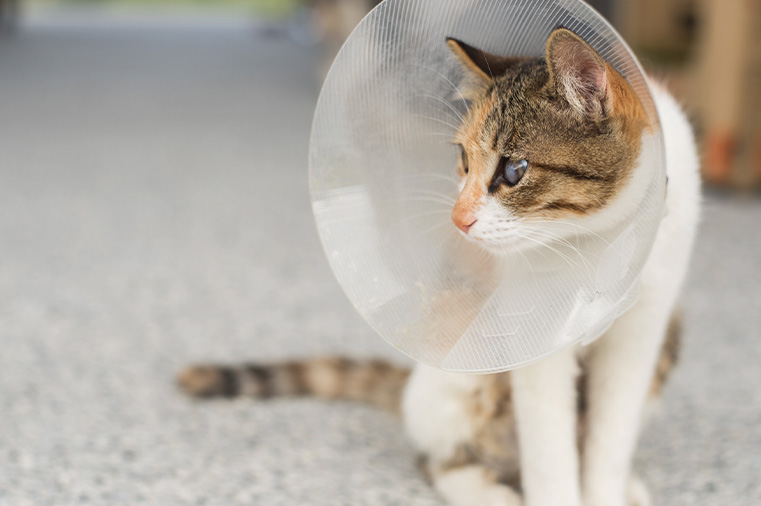
Proactive healthcare is key to ensuring your cat’s well-being. Establish a vaccination schedule tailored to your cat’s needs, including core vaccinations for diseases like feline distemper and rabies. Regular veterinary visits allow for early detection of health issues. Discuss preventive measures against common feline ailments, such as dental care and urinary health.
Grooming and Hygiene
Cats are known for their self-grooming habits, but they may still require your assistance. Brush your cat’s coat regularly to prevent matting and reduce shedding. Trim their nails as needed and ensure proper dental care through brushing or dental treats. Monitor their ears and eyes for cleanliness and address any signs of irritation promptly.


Behaviour and Training
Understanding your cat’s natural behaviours and instincts is essential for a harmonious relationship. Respect their need for alone time while providing interactive play and enrichment. Litter box training is crucial, and positive reinforcement techniques can help in teaching basic commands. Address scratching behaviours with appropriate scratching posts.