Cosmo’s Courage: A Remarkable Journey Through Tetanus and Recovery
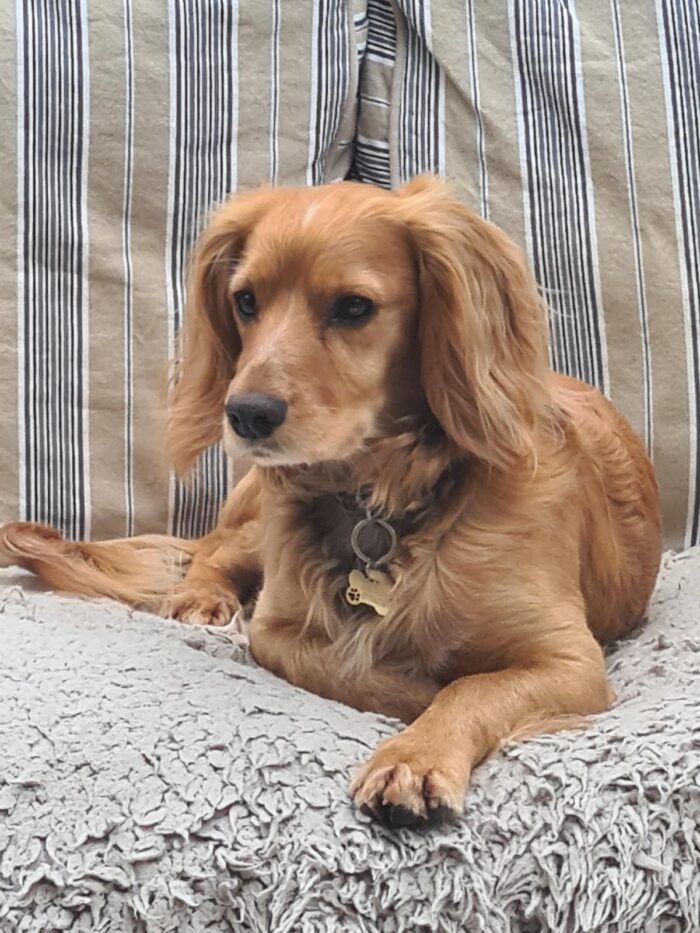
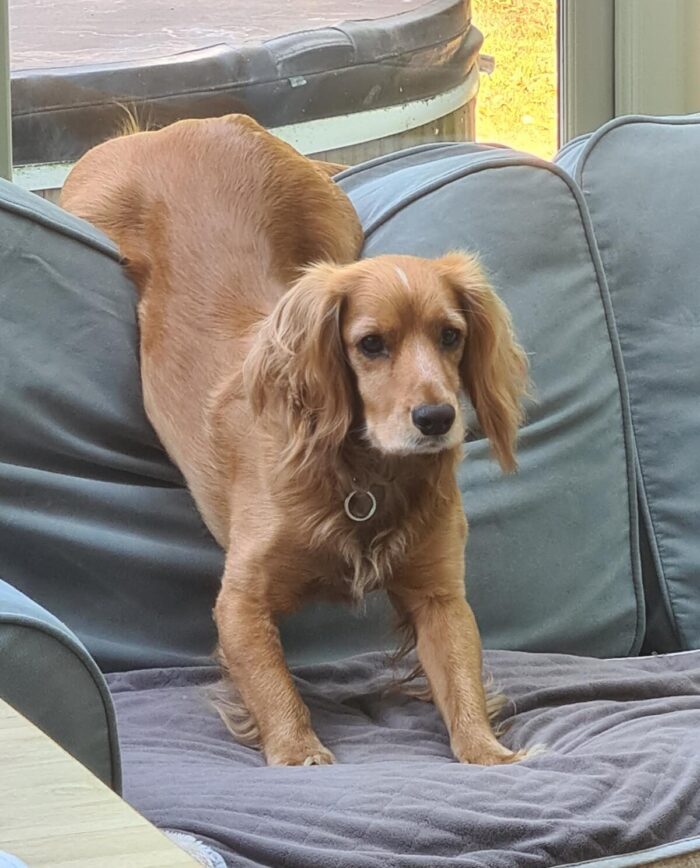
Each of our patients is incredibly special to us, and we care for them as if they were our own. Every so often, however, a patient comes along whose strength of character leaves a lasting imprint on our hearts. One such patient is Cosmo, a Cocker Spaniel who was hospitalised with us for 19 days last November.
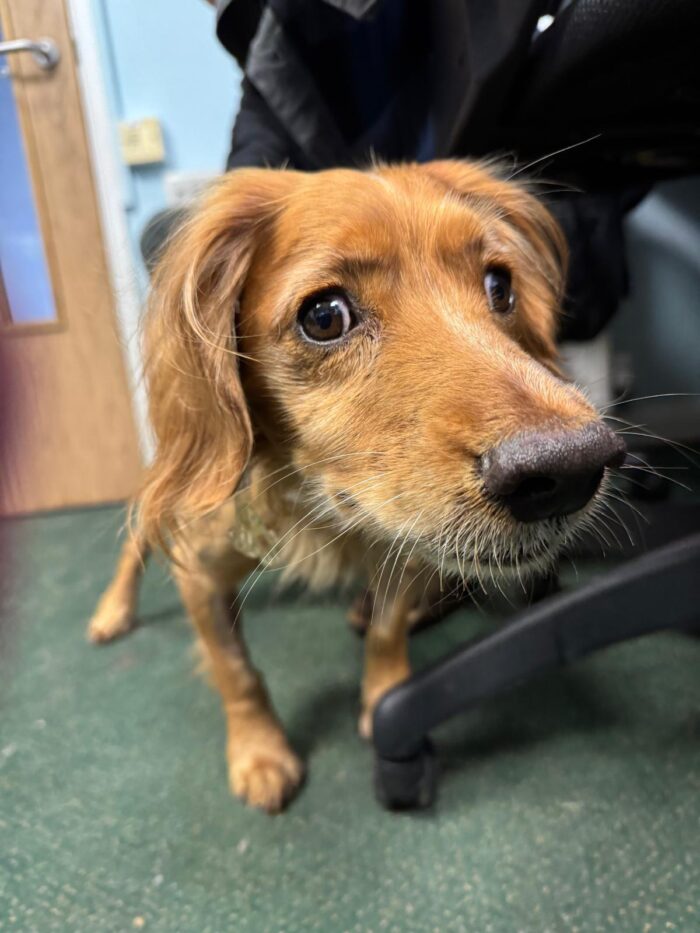
Cosmo was brought in on 1st November after his owners noticed he had an unusual facial expression. His expression included a wrinkled forehead with pulled back ears, a stiff jaw (‘lockjaw’) with pulled back lips, and small pupils with both eyes looking outwards. This expression is known as risus sardonicus and is a very characteristic and classic early sign of tetanus. Tetanus is very uncommon in dogs, as they are naturally quite resistant to the disease (cats even more so), but we do occasionally see cases. The condition is caused by bacteria found in dirt or soil entering the body through a wound, leading to severe muscle rigidity and stiffness.
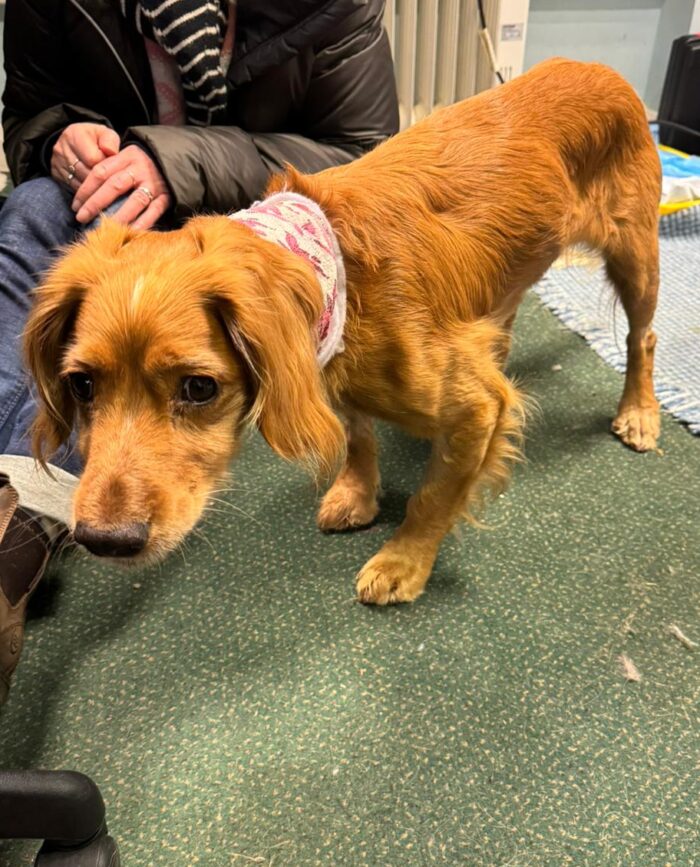
Following admission and during the first week of hospitalisation, Cosmo was treated with antibiotics, muscle relaxants, pain relief (as constant muscle rigidity/spasm is painful) and intensive supportive care. The use of anti-toxin in cases of tetanus is controversial and often considered more risky than beneficial due to the high chance of anaphylactic allergic reactions. Despite his early treatment the condition progressed and the rest of his body and muscles became increasingly rigid. His walk became ever more stilted due to the inability to bend his legs and such dogs suffering from tetanus are described as having a ‘sawhorse stance’. His tail became stiff and pointed and he began having difficulty urinating and eating. A urinary catheter had to be placed to help regularly empty his bladder, along with a feeding tube that allowed us to bypass his mouth due to difficulties with eating and swallowing. His gastrointestinal system was also affected, meaning his stomach and intestines were not moving food through properly. He would intermittently regurgitate the food he was given via the feeding tube and so additional medications were introduced to try and reduce this happening.
The most worrying moment came eight days into his stay, on a Sunday morning, when Cosmo experienced a sudden attack of breathing difficulty. This may have been due to a regurgitation episode affecting his airway, but so severe was his difficulty that the two vets scheduled to be in on that day immediately placed him under anaesthetic. Chest X-rays were taken and thankfully his lungs and airways were clear and over the following 24–48 hours he slowly recovered. From that point on, Cosmo finally began to make gradual but steady improvements each day.
He continued the antibiotics, muscle relaxants, GI medications and pain relief, and his ability to walk finally began improving. Next, he was able to urinate independently, so no further urinary catheterisation was needed. Finally, and most rewarding of all, Cosmo regained the ability to eat by himself, eventually leading to the removal of the feeding tube. He was discharged 19 days after admission, still with some stiffness, but very much on the road to a full recovery. When he was home he developed an unusual but well known sequela to tetanus known as ‘REM Sleep Behaviour Disorder’. This involves ‘nightmare-like’ episodes which occur during light sleep where dogs can twitch, vocalise and paddle, stopping when they enter a deeper sleep. It is experienced by around half of dogs that survive tetanus and whilst it can be alarming, it is not harmful and generally subsides over the following 6 months.
Cosmo’s journey to recovery has been a long and challenging one. It was made possible not only by his incredible determination and the unwavering love and understanding of his owners – whose regular visits were always rewarded with a wagging tail – but also by the outstanding dedication of the entire team at Shepton and Wells Vets. Our vets, nurses, and support staff demonstrated exceptional passion and commitment throughout his care, with special recognition to our nursing team, who provided compassionate, round-the-clock care during his hospital stay, including the night nursing team that we are very fortunate to have here at Shepton Vets to offer care for inpatients 24/7, 365 days a year.
Cosmo’s story is a powerful reminder of what can be achieved through teamwork, perseverance, and a shared commitment to giving every patient the best possible chance.

Author –