Winter Dog Care: Top Tips For Keeping Our Dogs Healthy This Winter
Winter can be a magical time of year, with frosty mornings, cosy evenings and festive walks. However, colder weather can also bring challenges for our four-legged friends. Just like humans, dogs need extra care and attention during the winter months to stay comfortable, healthy and happy. By following a few simple steps, you can help your dog enjoy the season safely.
- Keep Your Dog Warm
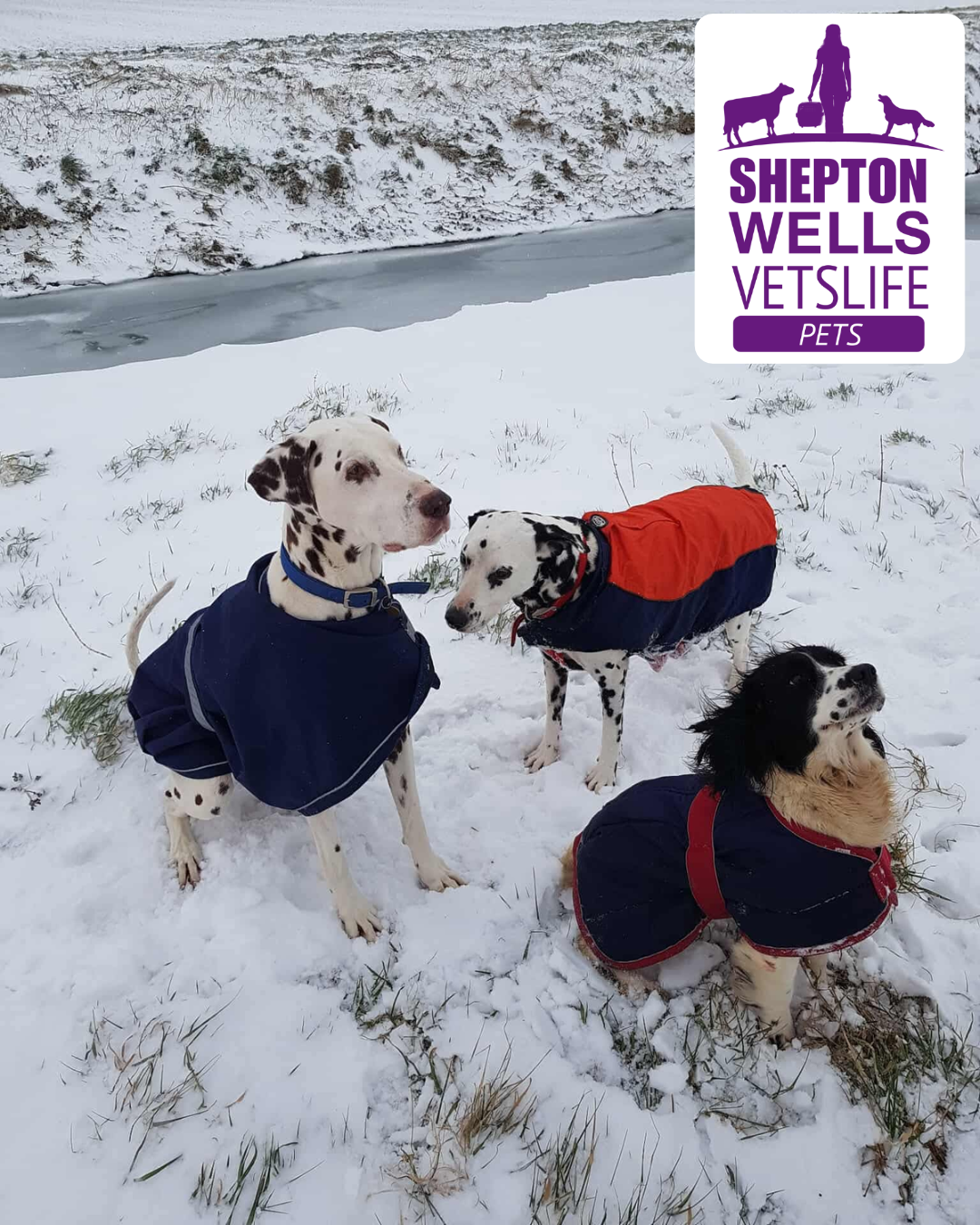
Not all dogs cope with cold weather in the same way. Small breeds, short-haired dogs, puppies, senior dogs and those with certain health conditions are often more sensitive to low temperatures. Consider using a well-fitting dog coat or jumper when heading outdoors, especially on cold or windy days. Heavy rain can worsen arthritic joints, consider using a raincoat where needed.
At home, provide your dog with a warm, dry bed away from draughts and cold floors. Make sure they have a comfortable place to rest and keep them indoors during particularly cold weather. Never leave a dog outside for extended periods in freezing conditions.
- Adjust Your Walking Routine
Regular exercise remains important throughout winter, but you may need to adapt your routine to suit the weather. During darker mornings and evenings, use reflective collars, leads or jackets to improve visibility. A flashing light attached to your dog’s collar can also help drivers and cyclists spot them more easily.
Be cautious around icy paths and frozen ponds. Ice can be dangerously thin, and dogs may slip, fall or become trapped in freezing water. Keep your dog on a lead in potentially hazardous areas.
- Protect Your Dog’s Paws
Cold pavements, ice, grit and road salt can irritate your dog’s paws. After every winter walk, check their feet for cuts, redness, cracks or trapped debris.
Wipe their paws with a damp cloth and dry them thoroughly, paying attention to the spaces between their toes.
Keep an eye out for antifreeze spills in driveways and car parks. Antifreeze can be extremely poisonous to dogs, even in small amounts. Contact your vet immediately if you suspect your dog has ingested any.
- Maintain a Healthy Diet and Hydration
Your dog’s nutritional needs may change depending on their activity levels and the temperature. Active dogs spending considerable time outdoors may need more energy, while less active indoor dogs may require fewer calories to avoid weight gain.
Always provide fresh, clean drinking water and check regularly that outdoor water bowls have not frozen.
- Continue Grooming and Health Checks
Winter grooming is just as important as summer grooming. Brush your dog regularly to prevent tangled fur and maintain a healthy coat. Dry them thoroughly after walks in rain, snow or muddy conditions to prevent discomfort and skin irritation.
Continue routine veterinary check-ups and vaccinations, and watch for signs of cold-related illness, such as shivering, weakness, unusual tiredness or confusion. Seek veterinary advice promptly if these symptoms occur.
Conclusion
Winter dog care is all about preparation, awareness and comfort. By keeping your dog warm, protecting their paws, adapting exercise routines and maintaining good nutrition and grooming, you can help them enjoy the colder months safely. With a little extra attention and plenty of affection, your furry companion can stay healthy, happy and comfortable throughout winter.

Author –