Hairballs Hospitalise Slinky The Ferret
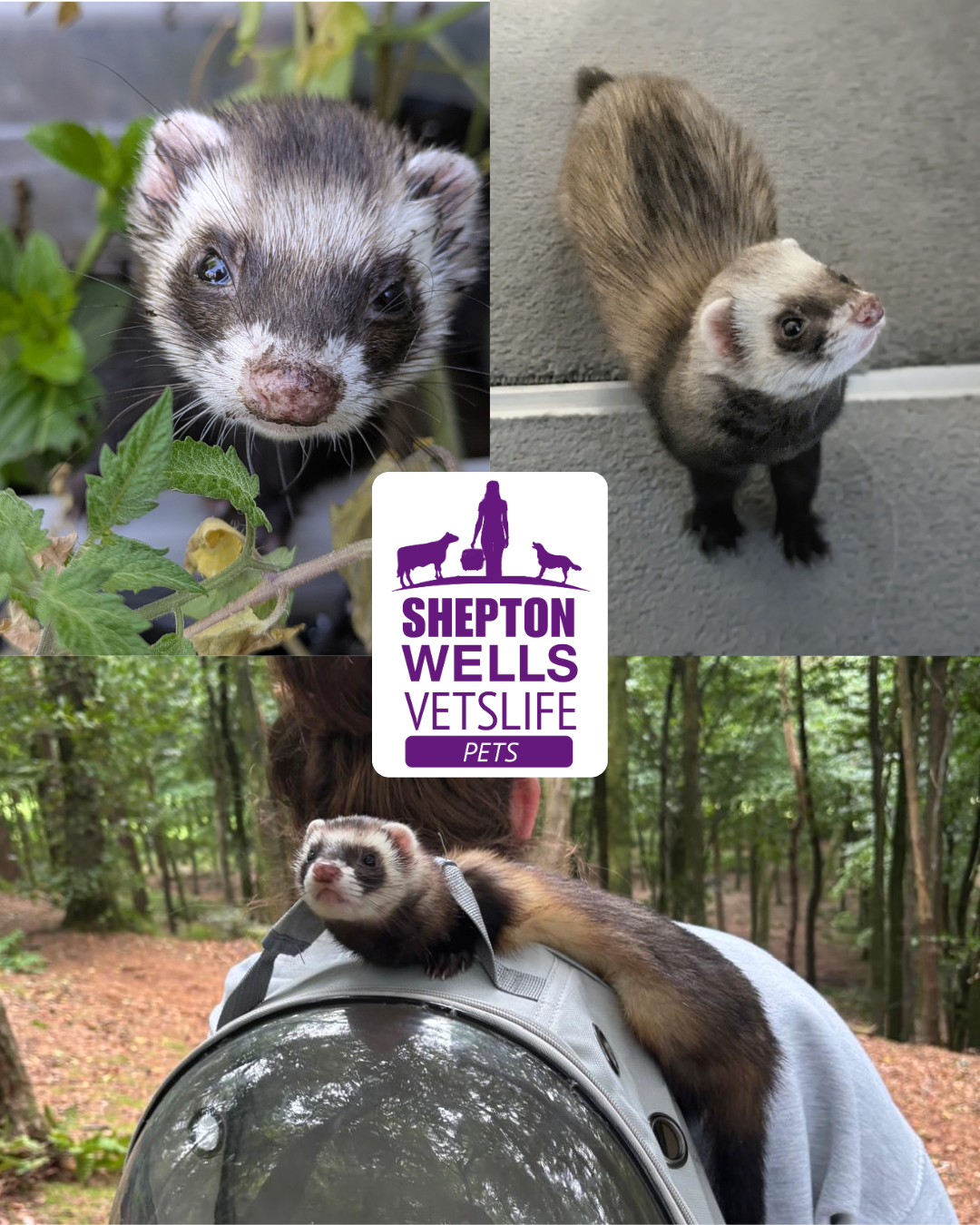
When you hear the word ‘furball’, you might automatically think of cats, but they aren’t the only species that suffer from them. Ferrets, as well as rabbits, can accumulate significant amounts of hair in their digestive tract. While this can simply be an inconvenience, in some cases it can lead to emergency surgery, as it did for three-year-old Slinky.
Companion animal veterinary medicine doesn’t just involve cats and dogs. In fact, it encompasses far more than rabbits and rodents too. Another popular ‘small furry’ species is the ferret, and just like the more familiar pets, they need routine trips to the vet. Veterinarians with a particular interest in small mammals can provide ferrets with preventative healthcare, including vaccination against distemper and reproductive management through neutering, hormone implants or vasectomies. Emergency treatment is occasionally required too. Ferrets are prone to conditions such as insulinoma, a tumour of the pancreas that causes life-threatening low blood sugar, and lymphoma, which can result in weight loss, lethargy and abdominal pain.
These were all considerations when Slinky was brought to the practice after becoming quiet and going off his food. He had lost some weight, his abdomen was painful, he was reluctant to move and was hypothermic, with a dangerously low body temperature. However, his blood sugar was normal, and X-rays together with blood tests showed no evidence of lymphoma.
Throughout the day, the nursing team gradually warmed Slinky, rehydrated him and syringe-fed him until he became a little brighter. Despite this, it was clear he remained uncomfortable. An ultrasound scan of his abdomen revealed an unusual area that corresponded with the site where he was most painful during examination. Closer palpation also detected an irregularity.
After discussing the findings with Slinky’s owners, they agreed for him to undergo exploratory surgery. Fortunately, Slinky was insured through a specialist pet insurance provider, helping to ease the financial burden of emergency treatment. Once under anaesthetic, it became clear there was not one but two obstructions within his intestines. These were removed and identified as compacted masses of hair – furballs, or, more technically, trichobezoars.
Unfortunately, the affected section of intestine was too badly damaged to leave in place and had to be removed in a procedure known as an enterectomy. This is a high-risk operation even in dogs and cats, let alone a ferret. The two healthy ends of intestine were carefully rejoined with multiple fine stitches, and the abdomen was thoroughly flushed to remove any contamination. Despite every precaution, there remained a significant risk of wound breakdown and post-operative infection.
Nonetheless, Slinky recovered well from his anaesthetic and spent the night in the exotics ward, where he was closely monitored by the night nurse. He received intravenous fluids, strong pain relief and, later, syringe feeding as his appetite gradually returned. Following several days of hospitalisation with antibiotics, continued pain relief and careful nursing, Slinky was discharged home to his very relieved owner. His recovery continued smoothly, and they were delighted to see him enjoy his first proper meal and produce his first post-operative poo!
Author –