Starting a Career in Veterinary Nursing: Where Do You Begin?
Working with animals is an aspiration shared by thousands of young people across the world, and I certainly wouldn’t be ashamed to admit that this is where my own career ambitions began. From reading James Herriot books to watching Steve Backshall’s Deadly 60, it’s fair to say there is no shortage of influential figures inspiring the next generation when it comes to animal welfare, veterinary medicine and conservation.
For many young people, becoming a veterinary surgeon is often the first career that springs to mind when considering working with animals. However, veterinary nursing is an equally rewarding and incredibly important profession, offering a diverse range of opportunities for those with a passion for animal care.
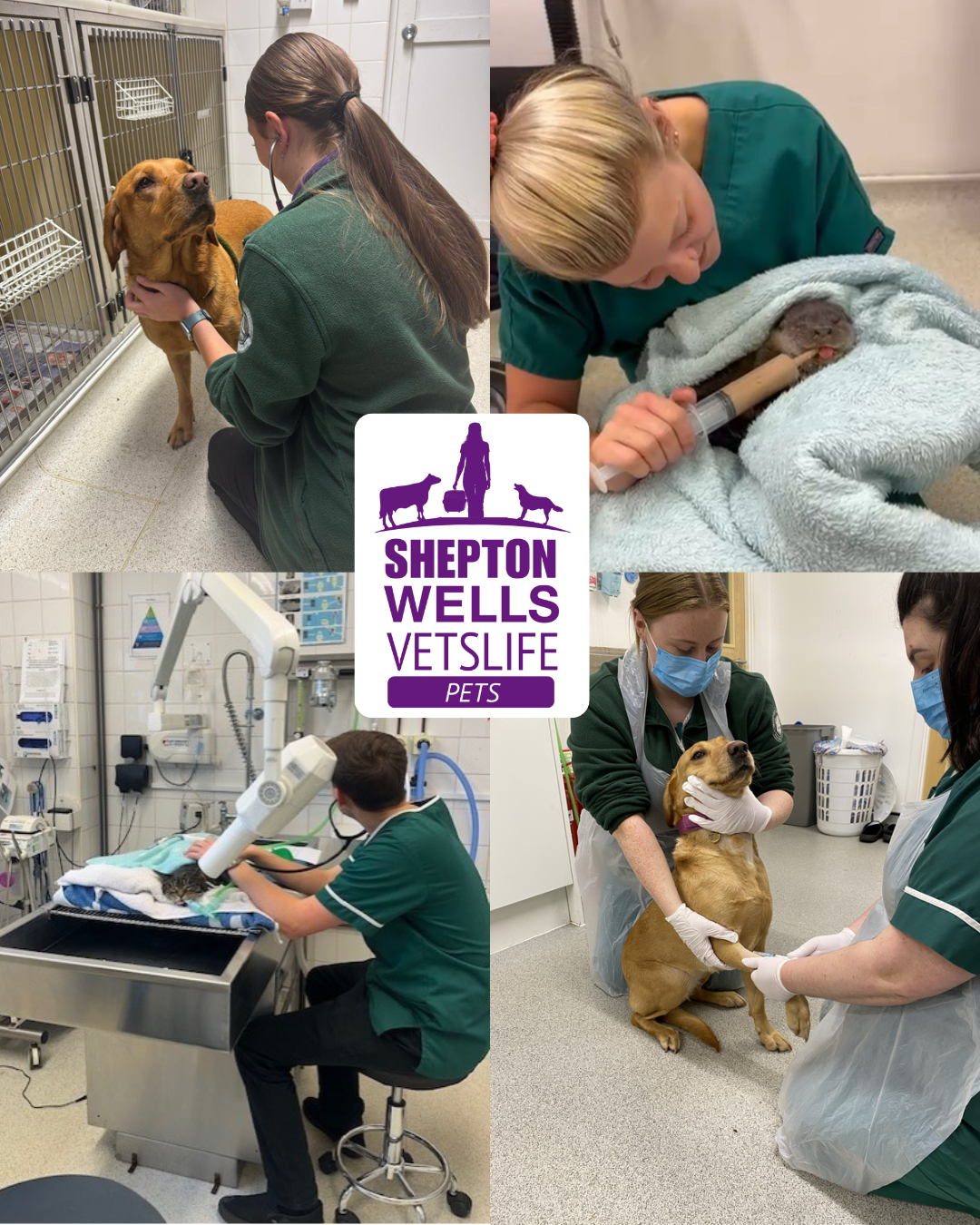
Traditionally, veterinary nursing may have lived slightly in the shadow of veterinary surgery, but I feel this is changing considerably. The profession is gaining greater recognition for the knowledge, practical skills and dedication required to deliver high standards of patient care. Veterinary nurses are an essential part of the veterinary team, playing a role in everything from anaesthesia and surgical nursing to inpatient care, laboratory work, diagnostic imaging and supporting owners through some of the most difficult moments in their pets’ lives.
As the profession continues to develop, so too does the complexity of our work. This is fantastic for the future of veterinary nursing, but it can also make getting that initial foot in the door increasingly challenging for young people just starting out. With more competition for training opportunities and practices often looking for individuals with previous experience, knowing where to begin isn’t always straightforward.
Here at Shepton & Wells Vets, having a strong connection with our local community is something that plays an important part in what we do. I believe that encouraging and employing young people from the surrounding area is a fantastic way to invest in the future of both our practice and the profession as a whole. It’s also a path I followed myself, having joined the practice at the age of 15. Having the opportunity to grow, learn and develop within the same team has given me a real appreciation for the importance of providing those early opportunities to others.
So, where do you start if veterinary nursing is something you’d like to pursue?
My biggest piece of advice would be to gain as much experience as possible. Whether this is through a school work experience placement in Year 10, volunteering where opportunities are available, or simply getting in touch with your local veterinary practice to ask what they can offer, every experience is valuable.
It’s also important to remember that these opportunities are not just about getting hands-on experience with animals. Veterinary practices are busy environments that rely on teamwork, communication, organisation and a willingness to learn. Showing enthusiasm, being punctual, asking questions and taking an interest in the work going on around you can make a lasting impression. Sometimes, it’s those small things that can make all the difference when an opportunity becomes available further down the line.
Academic qualifications are, of course, an important consideration when applying for a Level 3 Veterinary Nursing Diploma or degree. However, I think it’s equally important for young people to understand that there isn’t just one route into the profession.
There are several alternative pathways that can provide a fantastic starting point, particularly for those who are still completing their GCSEs or deciding what they would like to do after school.
At our practice, we have members of the team who originally joined us as kennel assistants, taking on weekend shifts alongside their school or college commitments. These positions can be an excellent introduction to working within a veterinary environment. They don’t necessarily require previous veterinary qualifications and provide an opportunity to work alongside experienced veterinary nurses, develop confidence and understand the day-to-day running of a practice.
Another fantastic starting point is becoming a Veterinary Care Assistant (VCA). A Level 2 qualification can be completed through college or distance learning, allowing students to combine their studies with valuable practical experience within a veterinary practice.
Our VCAs play a hugely important role within the team. Their responsibilities can include assisting with basic patient care, preparing and maintaining surgical equipment, running laboratory samples and supporting the nursing team with the many tasks that keep a busy practice running smoothly. It’s a role that provides a valuable insight into veterinary nursing and allows individuals to develop a foundation of knowledge and practical skills.
For those who are keen to progress further, gaining this experience can put them in a great position when applying for a Level 3 Veterinary Nursing training opportunity in the future.
One thing I would really like young people to appreciate is that veterinary nursing isn’t simply about spending your days cuddling puppies and kittens. Although there are certainly some lovely moments, it is a profession that requires resilience, dedication, compassion and a genuine willingness to learn. No two days are ever quite the same, and alongside the rewarding experiences there are inevitably some challenging ones. However, being part of a team that makes a genuine difference to the lives of animals and their owners is what makes it incredibly worthwhile.
Having worked within the profession for a number of years, the knowledge, skills and commitment that my colleagues demonstrate on a daily basis make me incredibly proud to call myself a Veterinary Nurse. I also think it’s important that we continue to look ahead and encourage the next generation of nurses and veterinary care assistants. The future of our profession depends on attracting enthusiastic, compassionate individuals who are willing to learn and develop their skills.
I am always more than happy to have a conversation with anyone who is considering a career in veterinary nursing, whether you’re a young person exploring your options, a parent looking for advice or someone who simply wants to find out a little more about what working in a veterinary practice involves.
If you’ve read this article and think veterinary nursing could be the career for you, we’d love to hear from you!
If you would like to discuss potential work experience placements or opportunities to learn more about the profession, please get in touch with the team at Shepton & Wells Vets. You never know where that first opportunity might lead!

Author –
Callum Brook
Head Veterinary Nurse
Registered Veterinary Nurse RVN